Waxahatchee, “Fire”
- Saint Cloud (2020)
- Critical listening analysis
- Space, timbre, dynamics, and transparency
- One full listen, then sectional listening
First Listen
- Listen straight through before analyzing
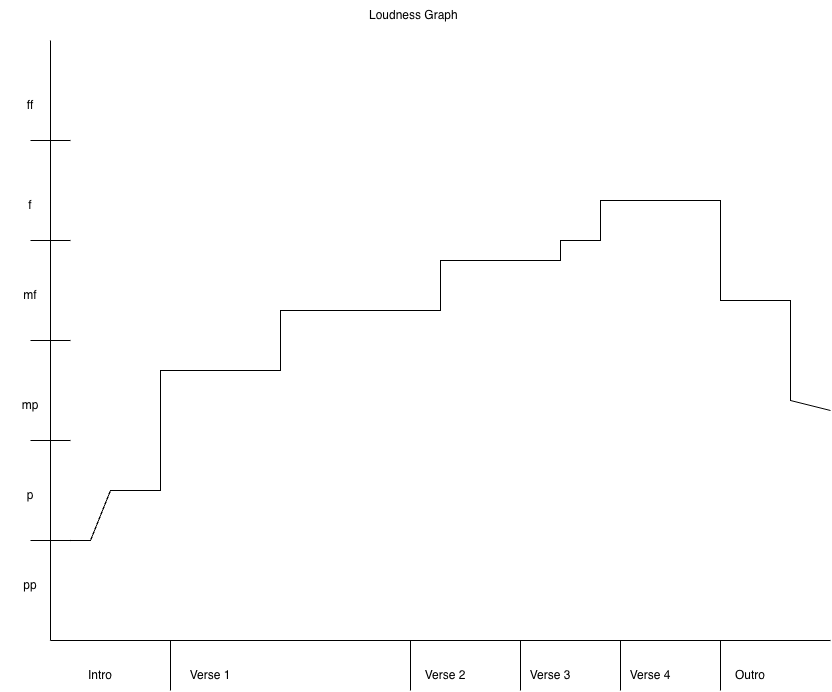
- Track the overall dynamic arc
- Notice what inhabits the center of the mix
- Listen for what changes from verse to verse
Production Context
- No big chorus drop: the song builds by accumulation
- Each verse adds instruments, weight, and loudness
- The outro relaxes the texture but expands the space
- Figure 1 shows the loudness arc across the full track
Intro and Verse 1
- Rhodes-style keyboard establishes the center
- Two synth drones create a quiet harmonic bed
- Kick enters first, then dry guitars hard left and right
- Verse 1 sets the spatial and timbral rules for the track
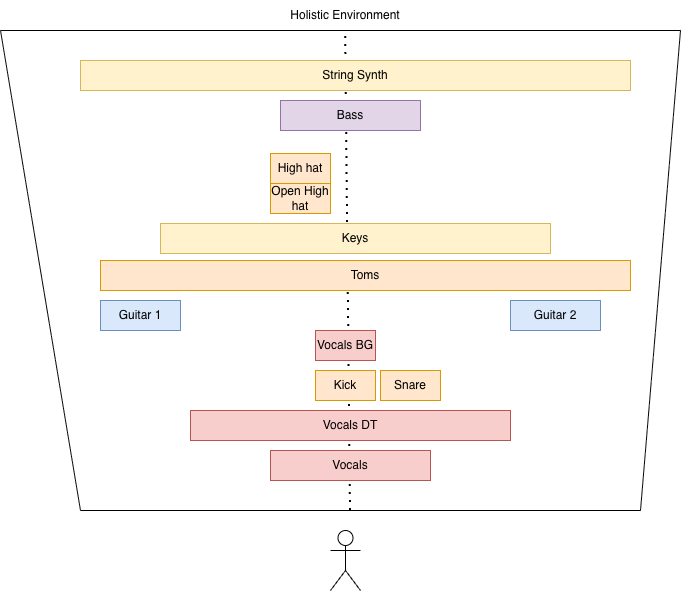
Spatial Impression and the Holistic Environment
- Lead vocal sits closest to the listener
- Guitars anchor the far left and right edges
- Keys occupy a wide middle plane
- Figure 2 maps the front-to-back organization of the mix
Spectral Balance
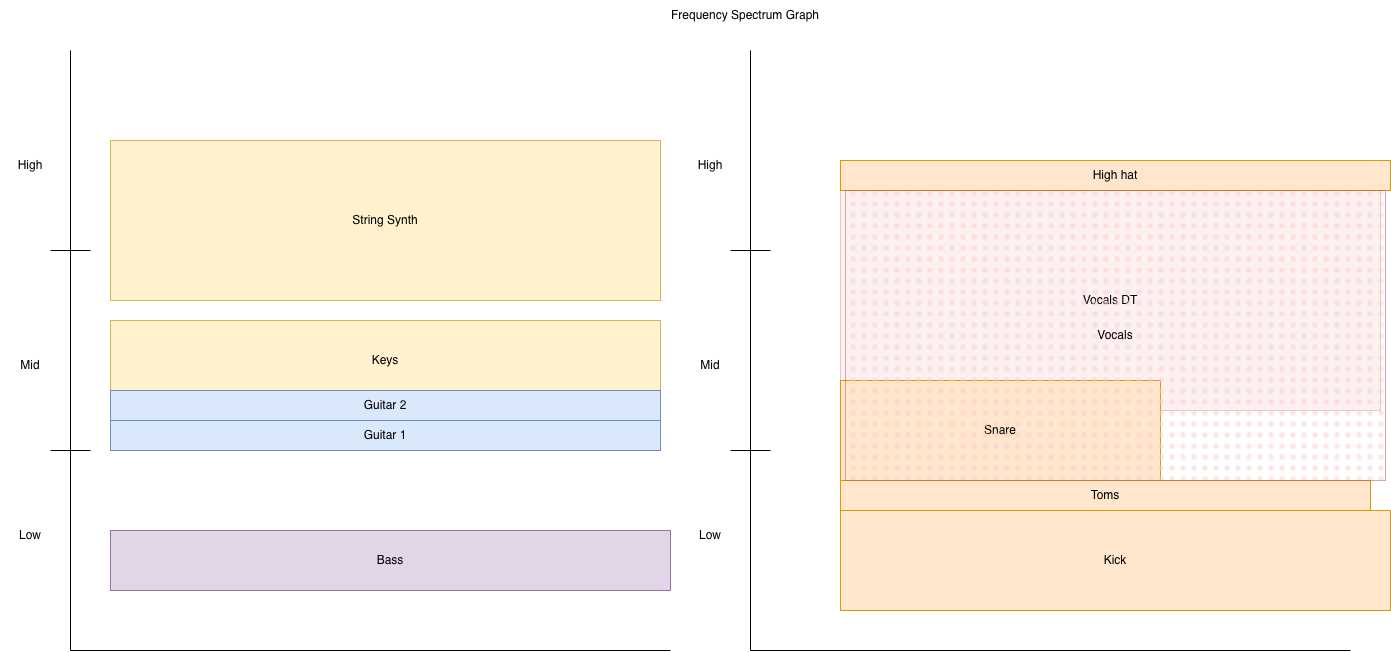
- The mix is mid-forward by design
- Voice, guitars, keys, and snare share the midrange
- Kick defines the low end more than the bass does
- Figure 3 shows the width of the upper synth layer
Low End and Dynamics
- The kick is punchy, short, and dominant
- The bass is present but deliberately recessed
- Dynamic range feels natural, not over-compressed
- The track stays grounded without sounding heavy
Transparency and Noise Floor
- Nearly every source remains easy to identify
- Vocal text stays intelligible throughout
- A constant hiss sits underneath the track
- The noise floor supports the record’s naturalism
The Outro Changes the Space
- Background vocal enters behind the lead
- Reverb opens up more than earlier sections
- The track ends looser, wider, and more reflective
- The room expands without breaking continuity
Using Live Video as Evidence
- Live footage helps identify instruments and parts
- It can confirm who plays what
- It separates arrangement from studio effect
- Use it as evidence, not as a substitute for listening
Takeaways and Discussion
- Sparse arrangements can still be highly detailed
- Panning does major transparency work here
- The kick-heavy low end reshapes the mix
- Naturalism here is a production choice, not an absence of craft