Foley artists play a crucial role in the sound design process of films, television shows, games, and independent films. Here’s a breakdown of how they work:
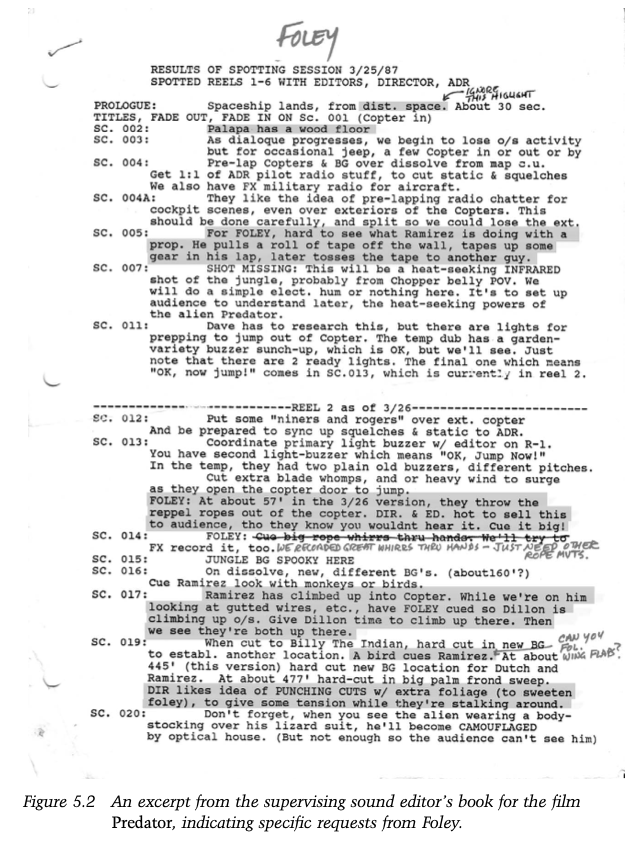
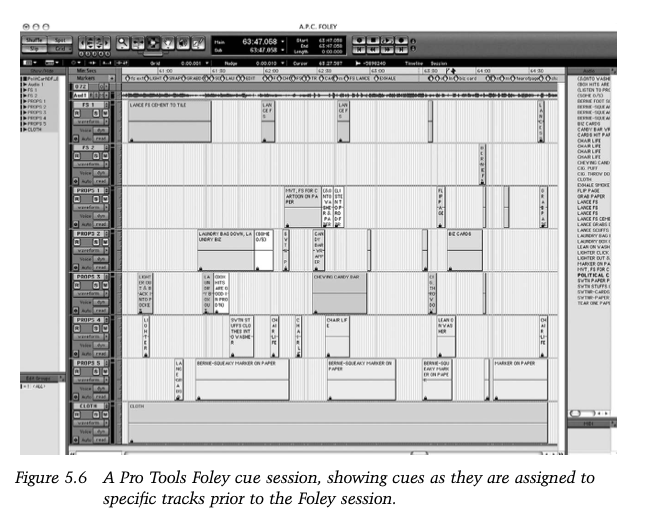
Preparation: Foley artists start their work on the Foley stage by gathering the necessary equipment, including shoes and props, for the session. They review cue sheets, which provide information on when specific sounds are needed in the production.
Planning: Before starting the actual recording, Foley artists plan the first few cues. This involves deciding what sounds they need to create and how to produce them effectively.
Observation: In the case of live-action or animated films, there is often an opportunity to watch a portion of the show at the beginning. This helps the Foley artists get a sense of the timing and the amount of work required for the session.
Variability: The nature of the project can influence how Foley sessions unfold. For features and long-form episodic shows, there is usually a planning stage known as a spotting session. This session allows for detailed discussions and planning regarding sound effects. However, for television shows, weekly cartoons, games, or independent films, this may not be as common. Technological advancements can expedite the workflow, potentially leading to the elimination of spotting sessions and cue sheets.
Importance of Spotting and Cueing: Spotting sessions and cue sheets are essential for quality Foley work. They ensure clear communication between editors and Foley professionals, helping them sync sound effects accurately with the visuals. When these tools are lacking, Foley artists may need to adapt and work with less structured guidance.
Adaptation: Foley artists are accustomed to adapting to various situations in the entertainment industry. While the ideal scenario includes spotting sessions and detailed cueing, they understand that flexibility is necessary in their line of work.
Balancing Standards: Maintaining industry standards is important, as it allows for smoother collaboration and quality results. However, Foley artists also need to know when to make adjustments and when to stick to established practices, depending on the specific project’s requirements and constraints.
In summary, Foley artists are responsible for creating and recording sound effects that enhance the realism and immersion of audiovisual productions. While ideal conditions involve planning sessions and cue sheets, they are adaptable professionals who can work effectively even when these elements are not in place, ensuring that the sound design complements the visuals seamlessly.